
LÆSENOTER: Nordic Classics
The Bogforum editorial team explores a selection of Nordic classics currently being reissued - works that offer valuable insight into the cultural forces that have shaped the Nordic region, both past and present. In this edition of LÆSENOTER, we highlight Thomasine Gyllembourg, Amalie Skram, and Selma Lagerlöf.
- Frontpage
- Bogforum Magasin
- LÆSENOTER: Nordic Classics
Thomasine Gyllembourg was not only one of the first female prose writers in Danish; she was also among the most widely read authors of the mid‑nineteenth century - known under the pseudonym “The Author of An Everyday Story” and translated into Swedish, German, and, in some cases, French.
Although Gyllembourg did not make her literary debut until the age of 53, she went on to publish 25 works of fiction along with four plays. Unlike many of her contemporaries, her stories centred on family life and everyday experiences—on love, motherhood, and divorce. These were themes she knew first-hand: in 1801, she wrote a letter seeking divorce from her husband, Peter Andreas Heiberg, in which she argued for women’s rights to freedom, love, and motherhood, as well as the right to breastfeed their own children. Through her writing, Gyllembourg helped establish a new literary field by bringing domestic life and gender relations into focus.
We recommend the novels Ægtestand and Two Ages (Lindhardt & Ringhof). Additionally, her major work An Everyday Story has just been republished by Gyldendal.


Amalie Skram (1846–1905)
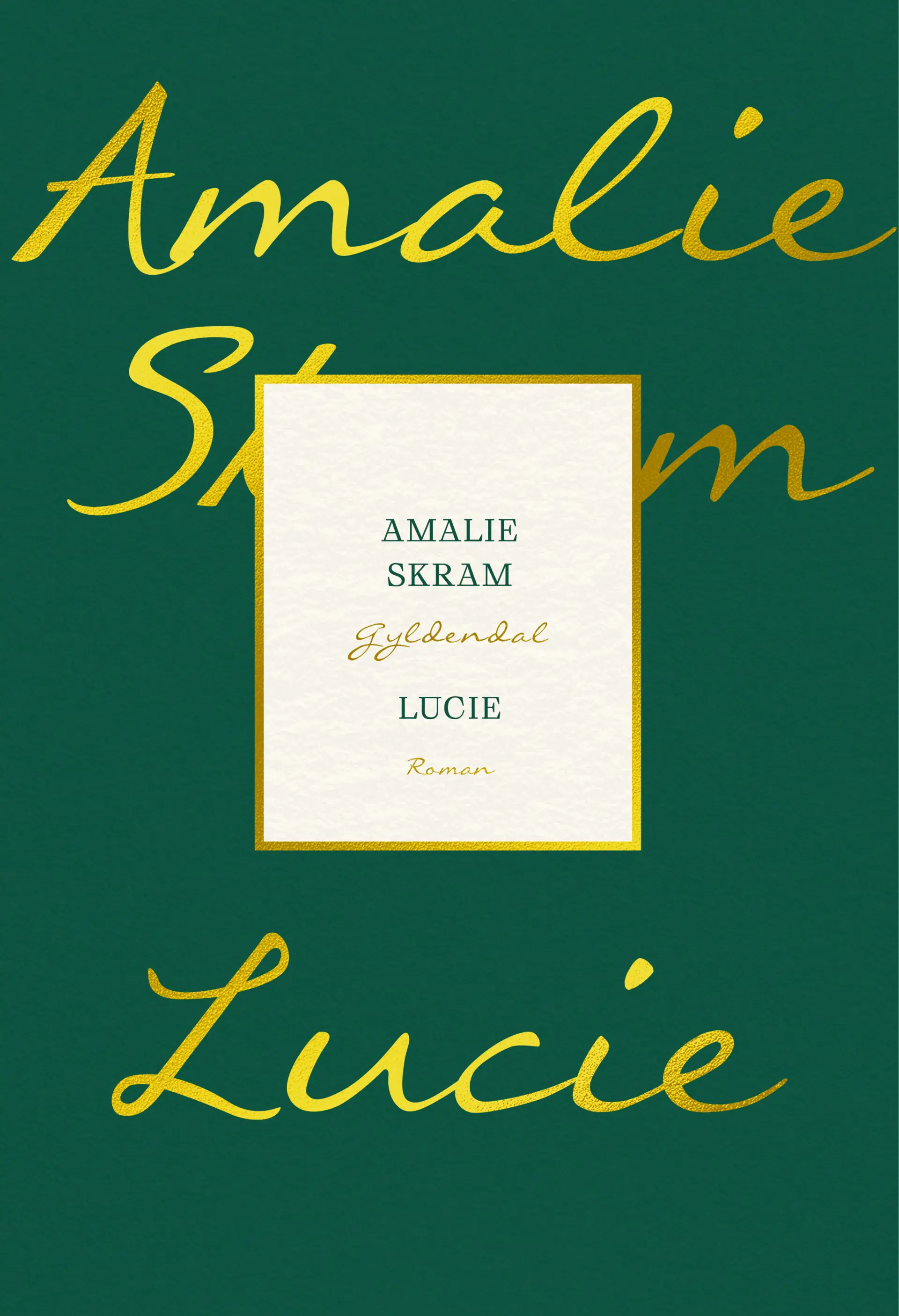
Amalie Skram (1846–1905)
The Norwegian writer Amalie Skram was one of the most prominent voices of the Modern Breakthrough. She was born into a poor merchant family and married at a young age to an older sea captain. Later, she married the Danish writer Erik Skram, who supported her talent despite their turbulent relationship.
Skram’s novels explore women’s struggle for emancipation, the constraints of marriage, and mental illness. She is, in fact, among the first writers to expose the potential for abuse and violence within psychiatric institutions. Her work is often closely intertwined with her own life, which was marked by both divorce and periods of hospitalisation. Skram was sharp in her criticism of both institutional systems and patriarchal structures, making her authorship both controversial and groundbreaking.
We recommend Amalie Skram’s Lucie, published with a foreword by Amalie Langballe (Gyldendal).
Selma Lagerlöf (1858-1940)
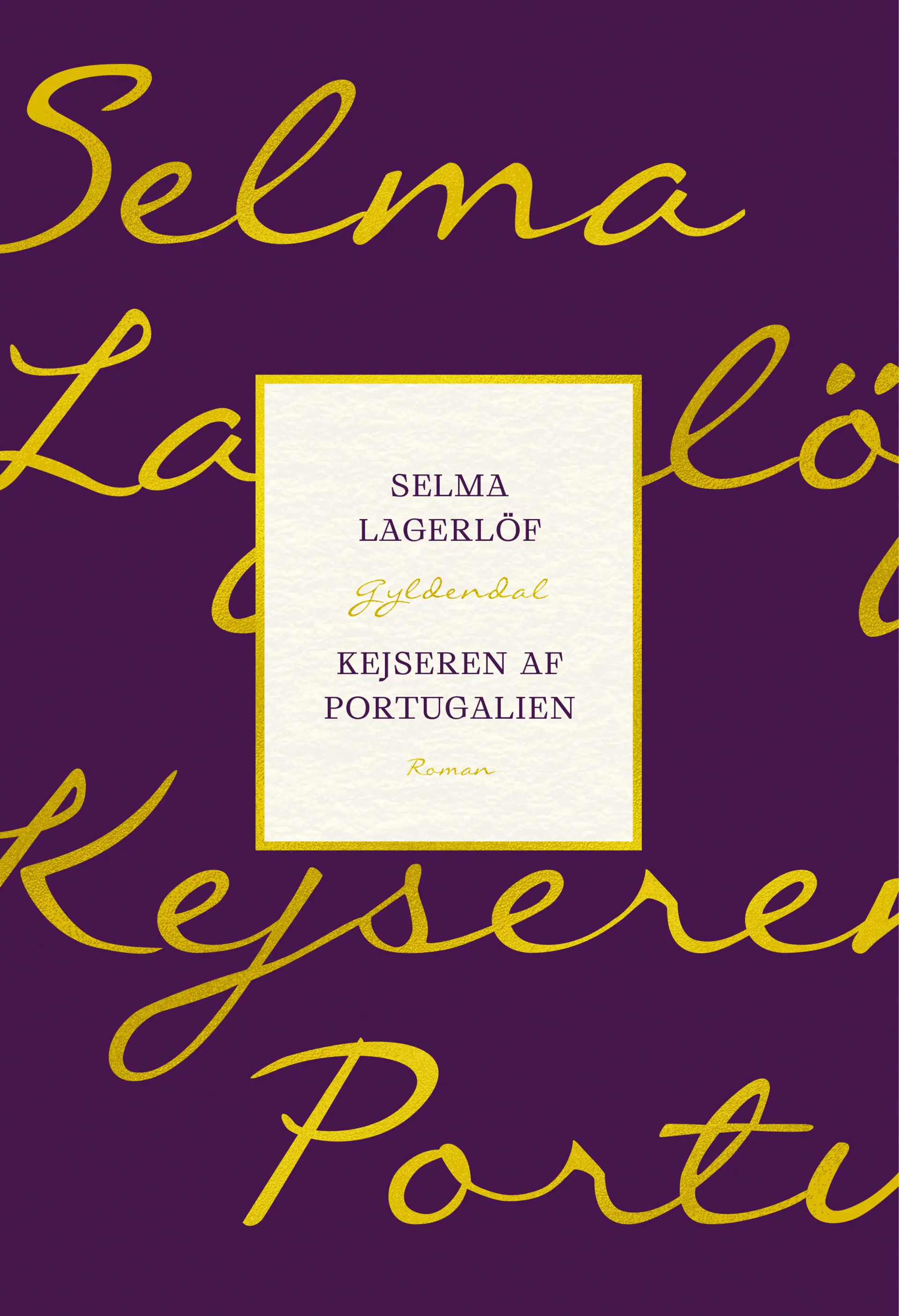
Selma Lagerlöf (1858-1940)
Selma Lagerlöf is one of Sweden’s most renowned and widely read authors - and the first woman to be awarded the Nobel Prize in Literature, in 1909. She made her debut in 1891 with the novel Gösta Berling’s Saga, which became an immediate sensation and has since achieved classic status.
Lagerlöf’s storytelling is deeply rooted in her surroundings: the landscapes and people of Värmland, as well as her family home at Mårbacka, all of which helped shape the characters and worlds of her writing. Many of her stories explore themes of love, family, morality, and the inner conflicts of the human mind. She also writes about artistic and personal freedom, while criticising the patriarchal structures she experienced, not least through her father.
We recommend Selma Lagerlöf’s The Emperor of Portugallia, published with a foreword by Elias Sadaq and recently adapted for the stage at Betty Nansen Theatre (Gyldendal).